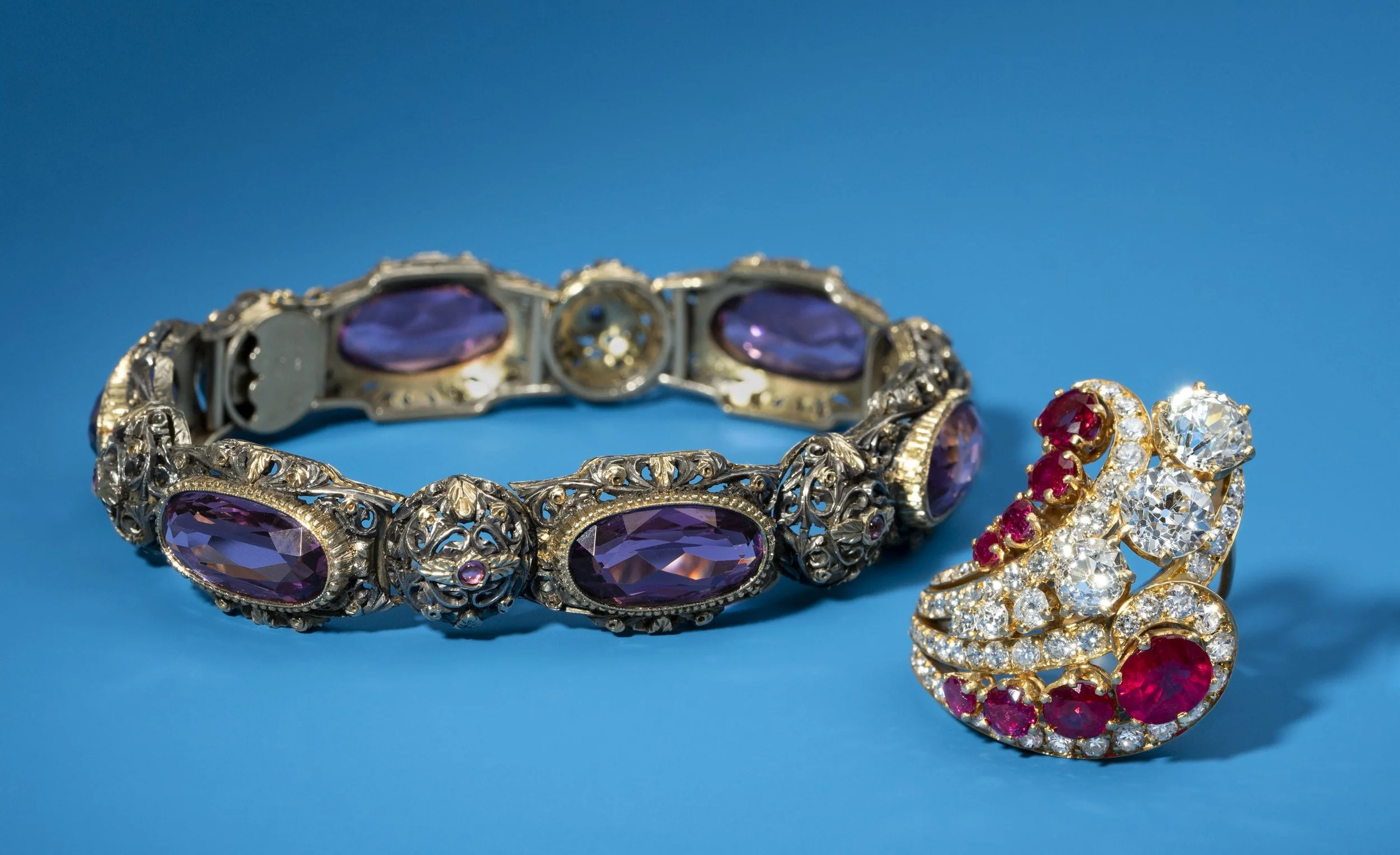
In recent years, vintage and antique jewellery has surged in popularity, driven by a growing appreciation for unique designs, craftsmanship, and sustainability. As consumers seek to express their individuality and connect with history, the market for these timeless pieces continues to thrive.
Key Takeaways
- Vintage jewellery encompasses pieces from various eras, including the 19th and 20th centuries.
- The emotional connection and stories behind vintage pieces enhance their allure.
- Unique diamond cuts and craftsmanship distinguish vintage jewellery from modern designs.
- Shopping for vintage jewellery requires knowledge of authenticity and provenance.
- Combining vintage and modern pieces can create a unique personal style.
The Rise of Vintage Jewellery
The resurgence of vintage jewellery can be attributed to several factors, including a shift towards sustainability and a desire for individuality. As consumers become more conscious of their purchasing habits, the appeal of second-hand jewellery has grown. Vintage pieces not only offer a unique aesthetic but also carry stories and histories that resonate with buyers.
Understanding Vintage Jewellery
Vintage jewellery is generally defined as items that are at least 20 years old, encompassing a wide range of styles from different periods. This includes:
- Art Nouveau and Art Deco: Known for their intricate designs and craftsmanship.
- Retro Era: Characterised by bold styles from the 1960s and 70s.
- 1980s and 90s: Pieces from these decades are now considered vintage as well.
Why Buy Vintage?
- Design and Craftsmanship: Vintage jewellery often showcases superior craftsmanship and unique designs that have stood the test of time.
- Emotional Connection: Each piece carries a story, adding sentimental value that new jewellery may lack.
- Unique Diamond Cuts: Older diamond cuts offer charm and personality, differing significantly from the uniformity of modern cuts.
- Limited Production: Vintage pieces were often made in smaller quantities, making them more unique and desirable.
Tips for Buying Vintage Jewellery
- Research: Familiarise yourself with different styles and periods to understand what appeals to you.
- Inspect for Authenticity: Look for signatures, maker’s marks, and hallmarks to verify authenticity.
- Try Before You Buy: Whenever possible, try on pieces to see how they fit and feel.
- Buy from Reputable Dealers: Ensure you purchase from experienced sellers who value their reputation.
- Focus on Wearability: Choose pieces that you will enjoy wearing rather than solely for investment purposes.
Trends in Vintage Jewellery
Today’s buyers are looking for unique pieces that reflect their personal style. Unlike previous decades, where conformity was the norm, modern consumers embrace a mix of vintage and contemporary styles. This trend allows for greater expression and creativity in accessorising.
Combining Vintage and Modern Styles
Mixing vintage jewellery with modern pieces can create a distinctive look. For instance, pairing a vintage brooch with a contemporary outfit can add character and flair. The key is to ensure that the pieces complement each other without competing for attention.
As the market for vintage jewellery continues to grow, it offers a fascinating blend of history, artistry, and personal expression. Whether you are a seasoned collector or a newcomer, the world of vintage jewellery invites you to explore its rich tapestry of stories and styles.
Sources
- A guide to buying vintage jewellery in Singapore: Where to go, trending styles, and the pieces to buy – Robb Report Singapore, Robb Report Singapore.
- How to buy vintage jewellery, Harper’s BAZAAR.