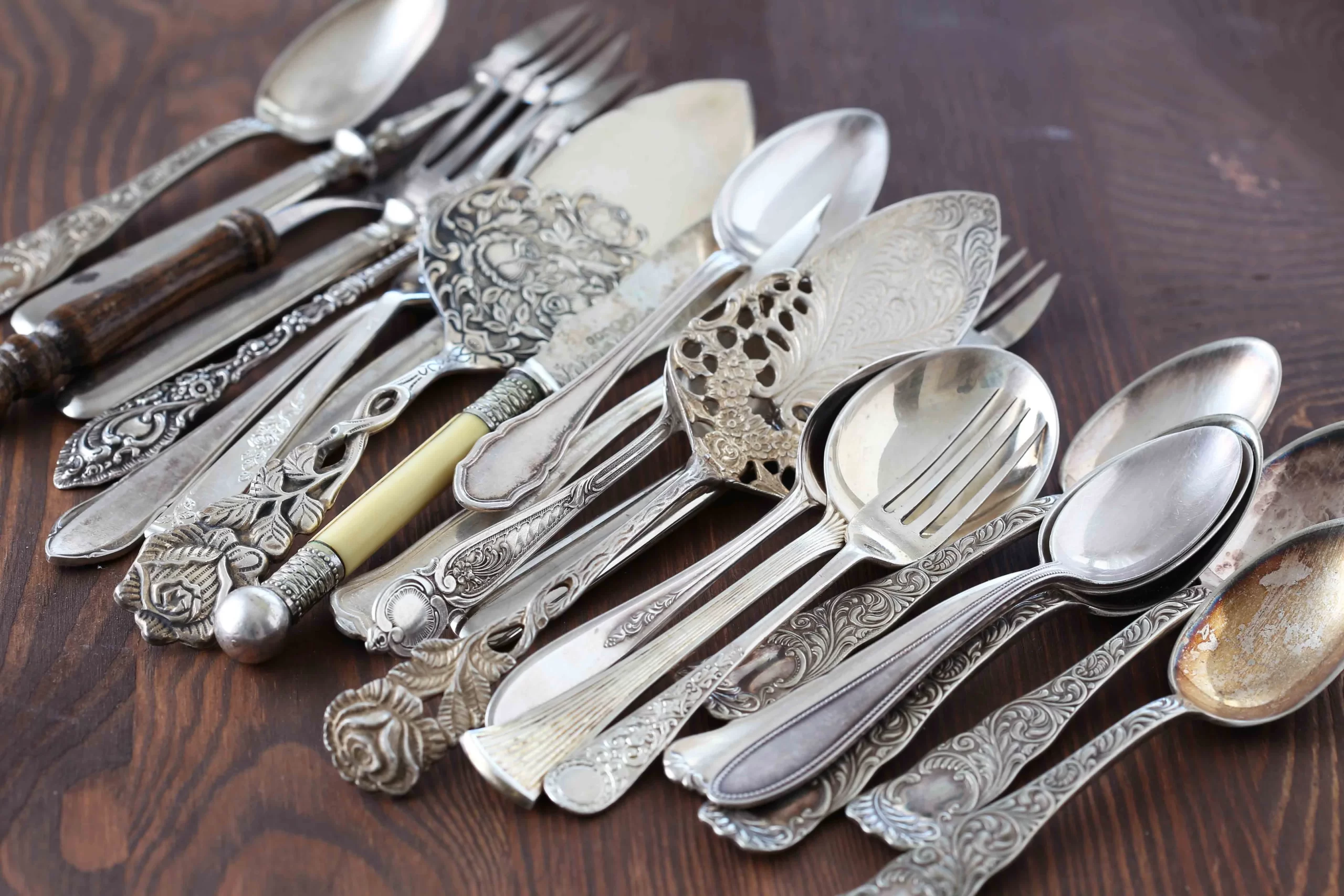
In recent discussions surrounding the value of silver and silver-plated items, collectors and enthusiasts have been keen to understand the distinctions between these two types of metalwork. With a rich history dating back to the Victorian era, silver items have not only aesthetic appeal but also significant monetary value, depending on their composition and condition.
Key Takeaways
- Silver and silver-plated items have distinct characteristics that affect their value.
- The Victorian era popularised silver serving dishes and utensils.
- Understanding hallmarks and markings can help identify the quality of silver items.
- Silver-plated items are generally less valuable than sterling silver.
The Allure of Silver Items
Silver has long been cherished for its beauty and utility. Experts suggest that silver should be enjoyed in everyday life, whether through elegant table settings or cherished heirlooms. Collectors often seek out traditional tea sets, cutlery, and decorative pieces that reflect both craftsmanship and history.
Distinguishing Between Silver and Silver Plate
One of the most common challenges faced by collectors is differentiating between sterling silver and silver plate. Here are some key points to consider:
- Purity Marks: Sterling silver is typically marked with a ‘925’ stamp, indicating it contains 92.5% silver. In contrast, silver-plated items may have little to no silver content.
- Visual Indicators: Silver plate often exhibits a rainbow-like effect on its surface, a telltale sign that it is not sterling silver.
- Touch Test: Sterling silver feels softer to the touch compared to silver plate, which can feel more rigid.
Historical Context
During the Victorian era, silver and silver-plated items became essential in households, with specific serving dishes designed for various foods. The craftsmanship of this period is still highly sought after today. For instance, pieces made in Sheffield, England, are particularly valued, with some items fetching significant prices at auctions.
The Value of Silver-Plated Items
While silver-plated items can be beautiful and functional, their market value is generally lower than that of sterling silver. Factors influencing the value of silver-plated items include:
- Condition: Items in good condition with minimal wear and tear are more valuable.
- Maker’s Mark: Recognisable brands or makers can enhance the value of a piece.
- Historical Significance: Items with a notable history or unique design may command higher prices.
Gifting Silver-Plated Items
Silver-plated items are often popular as gifts, especially during festive seasons. They carry cultural significance and are seen as symbols of prosperity. Common gifting options include:
- Silver-plated bowls
- Gold-plated photo frames
- Small silver coins
Conclusion
Understanding the value of silver and silver-plated items requires knowledge of their characteristics, historical context, and market trends. Whether for personal enjoyment or investment, these items continue to hold a special place in the hearts of collectors and enthusiasts alike. By recognising the differences between sterling silver and silver plate, individuals can make informed decisions when purchasing or appraising these beautiful pieces.